Why Your Digital Garden Needs Regular TLC
We like to think of interactive artworks as living, breathing entities—more like the plants in a garden than the static installations in a gallery. These digital creations need regular care to keep them vibrant and thriving. If you’re an owner or curator of these kinds of works, your role isn’t just about putting them on display. It’s about tending to them, nurturing them, and ensuring they continue to grow and engage over time.
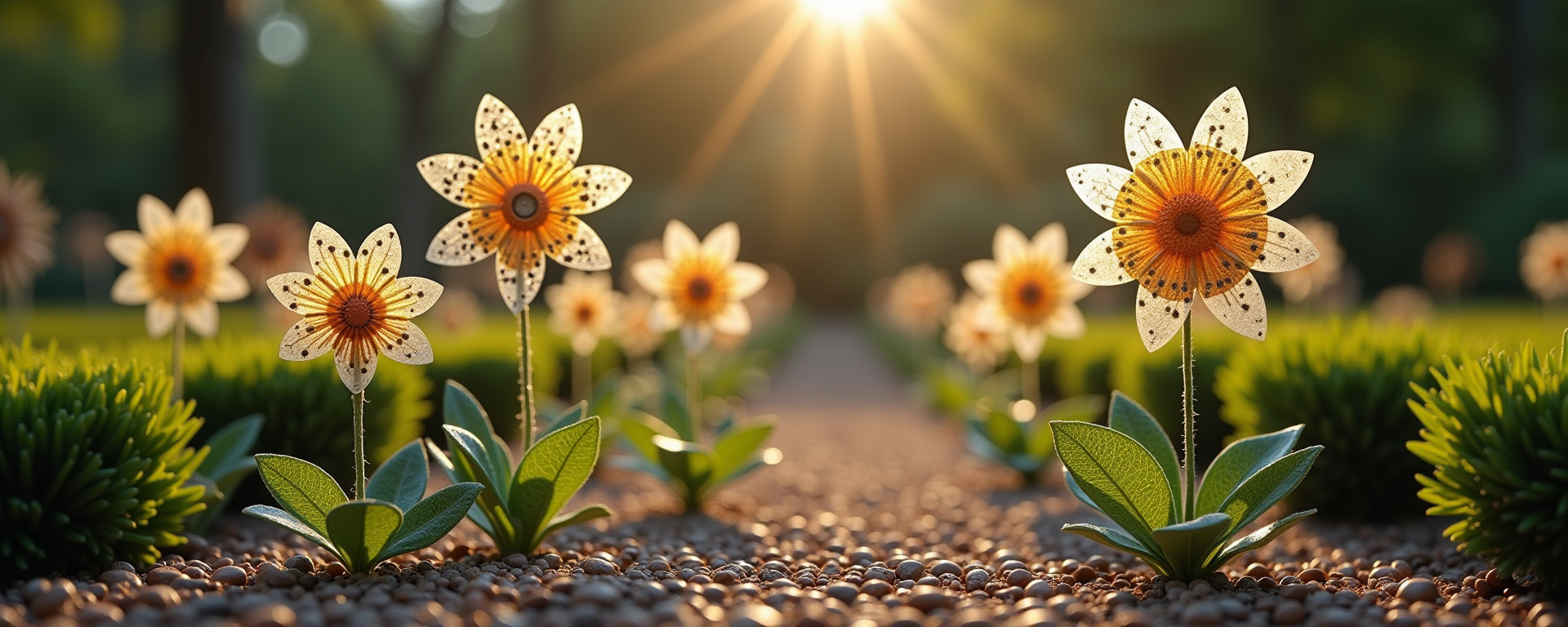
Think of Your Artworks as Living Organisms
Interactive artworks aren’t set-it-and-forget-it pieces. They’re dynamic, evolving with each person who interacts with them. It’s kind of like planting a vine: you might set it up on a trellis, but as it grows, it’ll need guidance, pruning, and maybe a bit of support to keep it healthy and flourishing. Without regular attention, even the most beautiful digital artwork can start to wilt—metaphorically speaking, of course.
This living nature of interactive artworks connects deeply to the broader landscape of media ecology, where each piece functions within a larger ecosystem of technology, culture, and user interaction. Just as a gardener must understand the soil, climate, and seasons, so too must a curator or owner grasp the technological infrastructure and cultural context that support these works. Rapid advancements in software and hardware mean that what works today may not work tomorrow, necessitating an ongoing commitment to adaptation and care.
Stewards of a Landscape
In this digital garden, you’re more than just a caretaker; you’re the steward of an evolving ecosystem. Your role isn’t to impose strict order but to create conditions where creativity can flourish. This means being vigilant, ready to prune back elements that have outgrown their purpose, and being prepared to nurture new growth when the unexpected inevitably happens.
But stewardship goes beyond maintenance. It’s about vision—understanding that the garden is never finished, that your digital creations are not products to be shelved but processes that continue to develop. This requires a commitment not just of resources, but of time, attention, and a willingness to embrace change.
Consider, for example, the way interactive installations in public spaces must be designed not just for immediate impact but for long-term sustainability. An installation at a busy urban intersection might need regular updates to remain relevant, much like a public park requires ongoing landscaping. As the steward, your task is to anticipate these needs, ensuring the work remains engaging for future audiences while also managing the technical and logistical challenges that come with maintaining a digital environment.
Expect the Unexpected
Here’s the thing about gardens—whether digital or physical—they have a way of surprising you. Sometimes, the most interesting developments come from the least expected places. A small tweak here, a happy accident there, and suddenly, your artwork is doing something you never planned for. These are the moments that make all the hard work worth it. But it’s also where your role as a caretaker comes into play. You’ve got to be ready to roll with the punches, adapt, and sometimes, let the artwork take you somewhere new.
Interactive artworks often behave unpredictably, much like an overgrown garden bed that suddenly bursts into bloom in an unexpected way. These surprises aren’t just quirks; they’re integral to the nature of digital art, where user interactions, dynamic feedback and cultural shifts can all contribute to the evolution of the work. Embracing these moments not only enhances the vitality of the artwork but also deepens its connection with audiences.
Building a Legacy, One Pixel at a Time
At Sticky Culture, we believe in creating spaces where digital art can grow and evolve—just like a well-tended garden. But it’s not just about the here and now. The decisions you make today will shape how these artworks are experienced in the future. So as you tend to your digital garden, remember: you’re not just maintaining a space, you’re building a legacy. One that will continue to inspire and engage, long after the initial seed has been planted.
Building this legacy requires a keen awareness of the historical context of interactive and new media art. Digital gardens are not a new concept but part of a broader tradition of viewing media as ecosystems that require cultivation. By understanding this lineage and considering how your garden fits within it, you can create a space that not only thrives today but resonates with future generations of curators, artists, and audiences.
Ready to start cultivating your own digital garden? Let’s get our hands dirty—metaphorically, of course.